


Modernizing a 20-Year-Old Student Management System with a Scalable UI/UX Design Framework
Breathing New Life into a Legacy System

The client
When a UAE-based educational services provider — with operations across the Middle East and Africa — reached out to us, their challenge wasn’t about starting something new.
It was about reimagining something that had been evolving for over two decades.
Their Student Management System (SMS), originally built more than 20 years ago, had grown across multiple schools, regions, and teams. Over the years, different developers had added new modules and features — layer after layer — until the system had become visually inconsistent, complex, and hard to maintain.
There was no design system, no documentation, and no dedicated UI/UX team to guide the product’s evolution.
A System That Outgrew Itself
The client’s system was still actively in development with new modules being added frequently — but without a unified design language.
Key challenges
- Over 70 modules and 130+ screens in active use
- Multiple developers working independently, leading to inconsistent layouts
- No existing UI/UX documentation or reusable components
- Inefficient financial planning
- Need for a modern design that was consistent, modular, and scalable
- Lack of an internal design team to maintain visual standards
The goal wasn’t just to make the system look better — it was to create a reusable design ecosystem that developers could easily build upon for years to come.
Designing for Developers
Since the client didn’t have a design team, we knew our approach had to empower developers, not overwhelm them.
Instead of designing isolated pages, we built a modular, component-based design system — one that was flexible enough to support current needs and scalable for future requirements.
We began by identifying recurring patterns across all modules — navigation, data tables, forms, dashboards, and modals — and created a generic layout system that could be reused universally.
Our Goal

Functional Minimalism
Modern and minimal, yet highly functional

Scalable Design System
Consistent and scalable across 130+ screens

Developer-Ready Framework
Developer-friendly, enabling quick adaptation and expansion
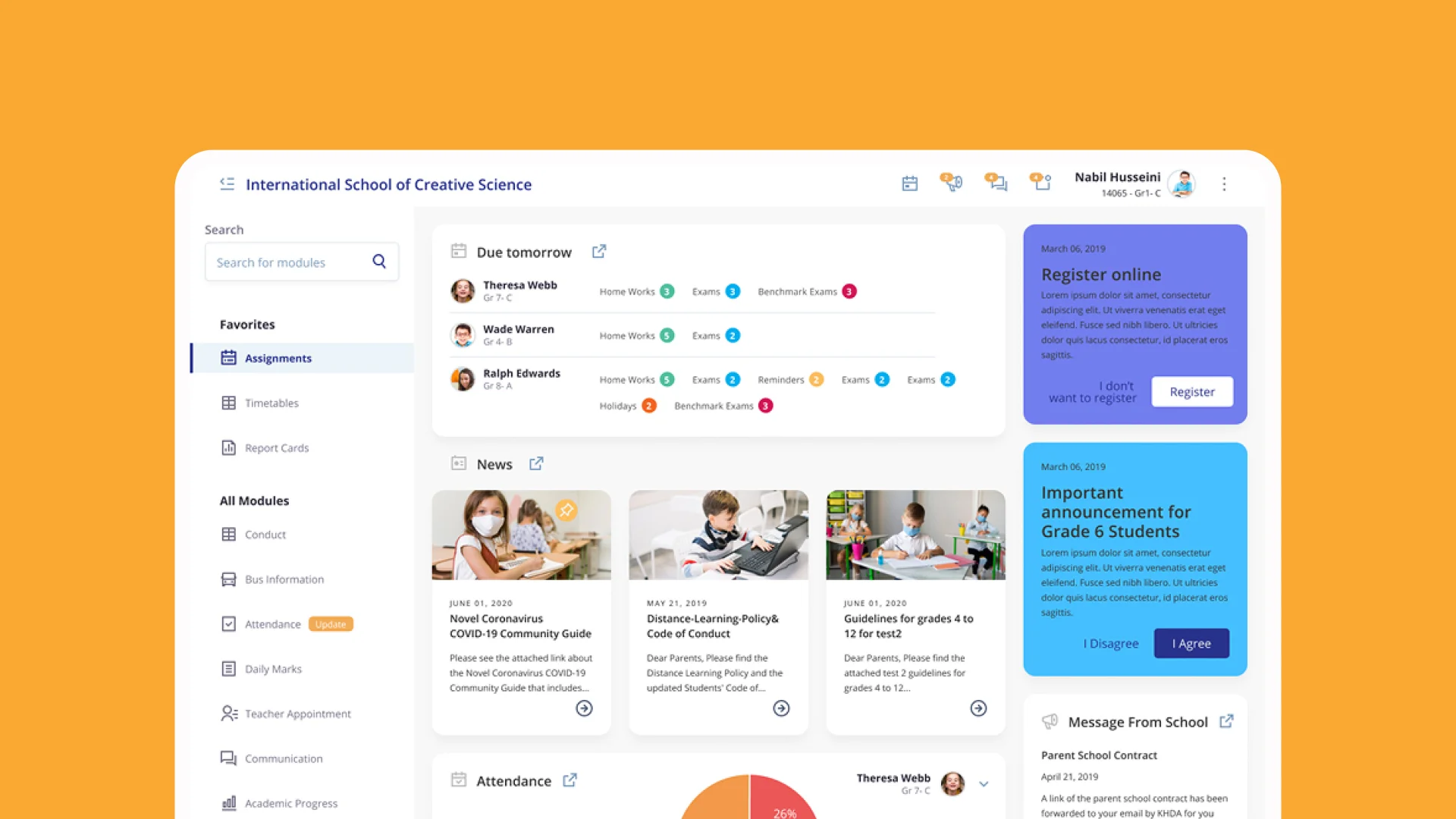
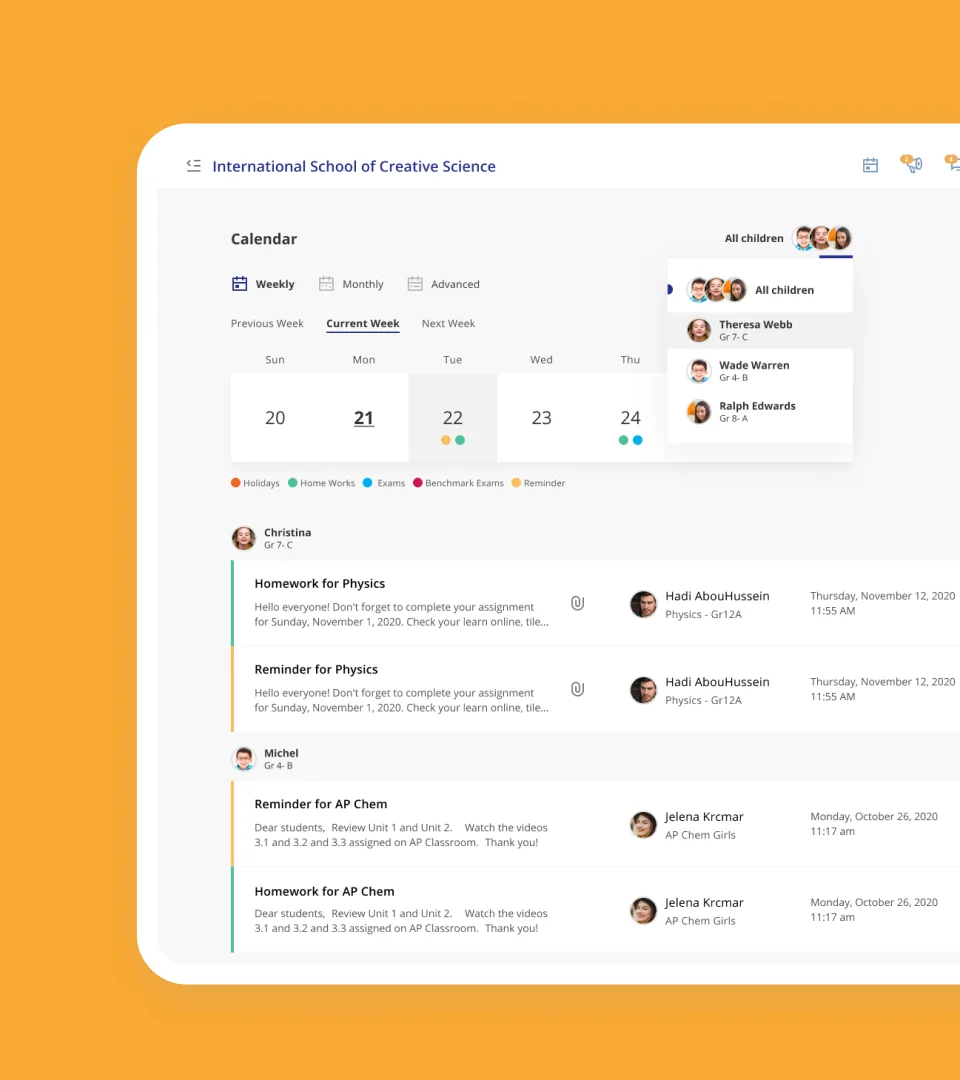
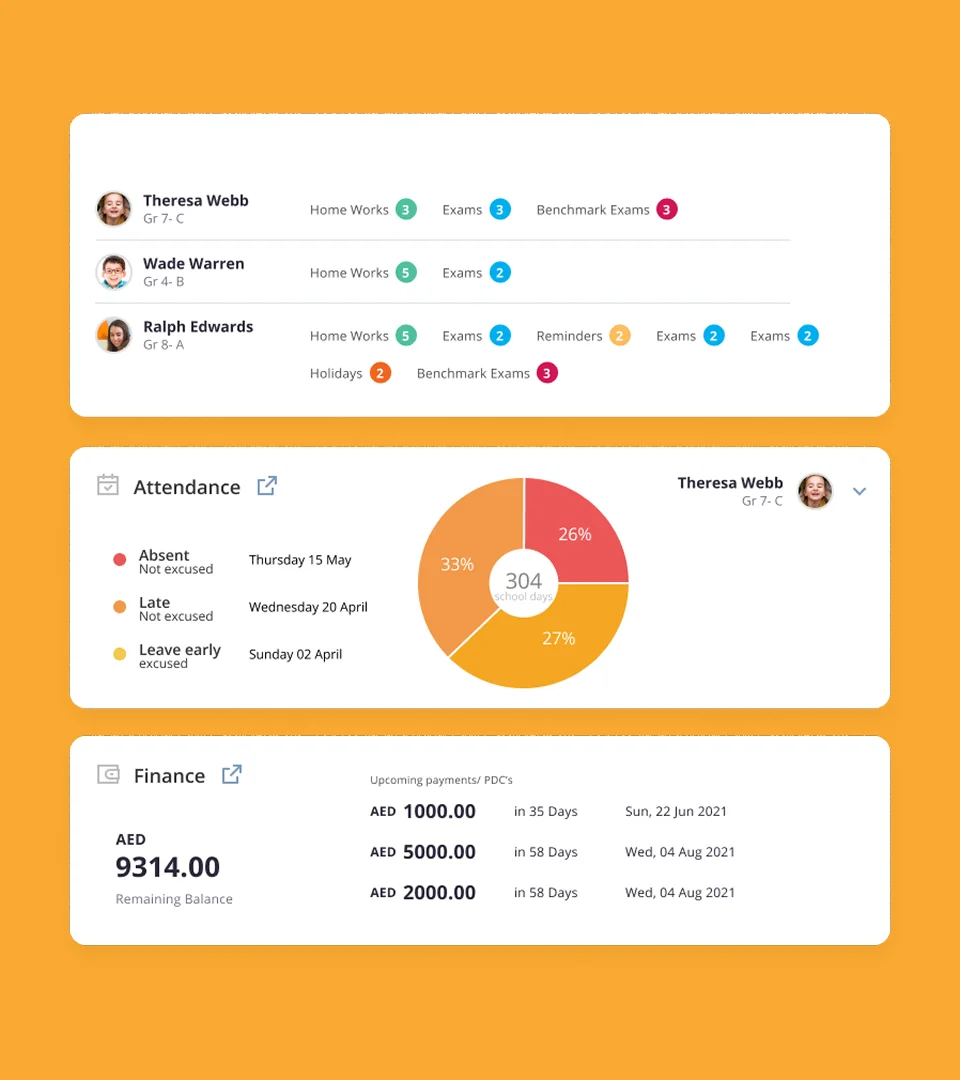
A Reusable Design Framework for the Future
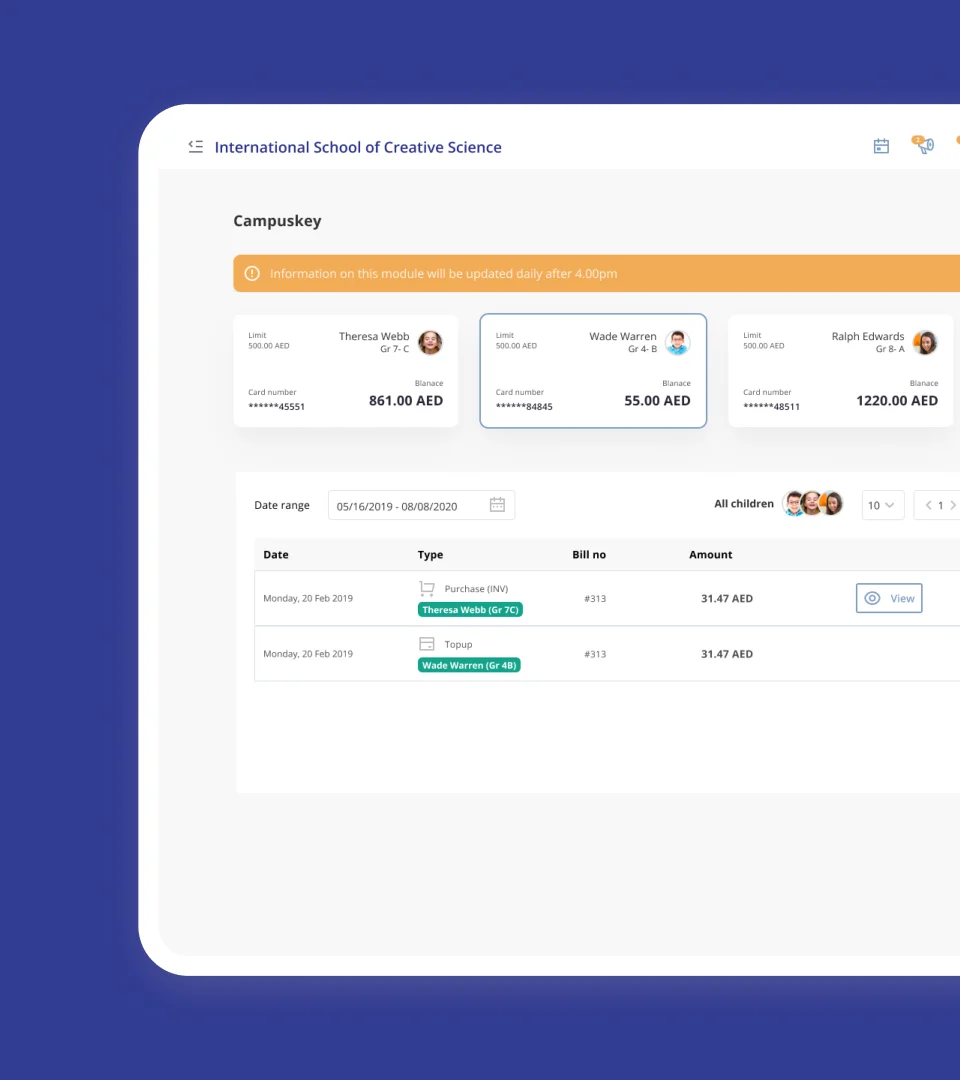
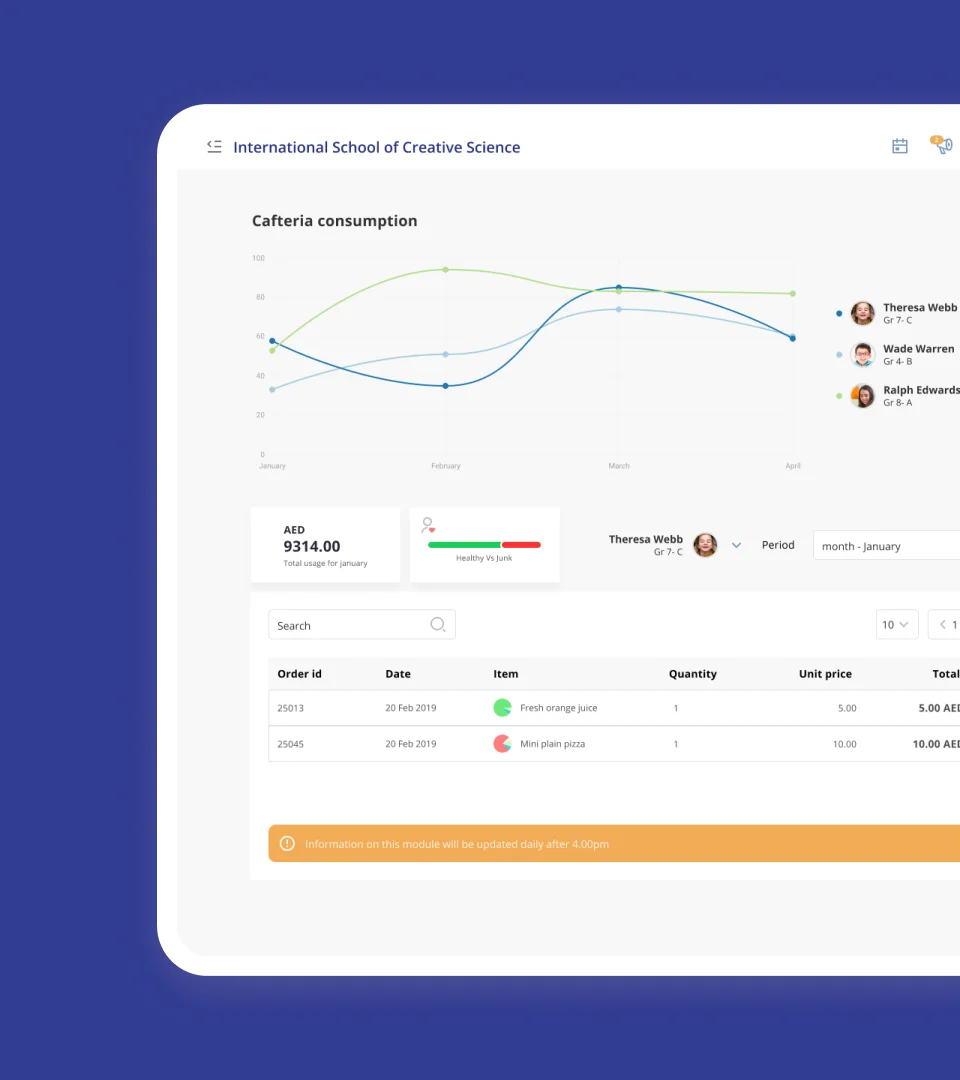
The result was a clean, cohesive, and scalable UI/UX system that modernised the look and feel of the entire Student Management System — without disrupting its functionality.
Key Highlights
Component-based design architecture adaptable across 70+ modules
Reusable UI library for developers to build new features faster
Consistent design language aligned with modern usability principles
Responsive layouts suitable for web and tablet use in schools
Light, intuitive colour scheme designed for daily operational use
Clear documentation and style guidelines for long-term scalability
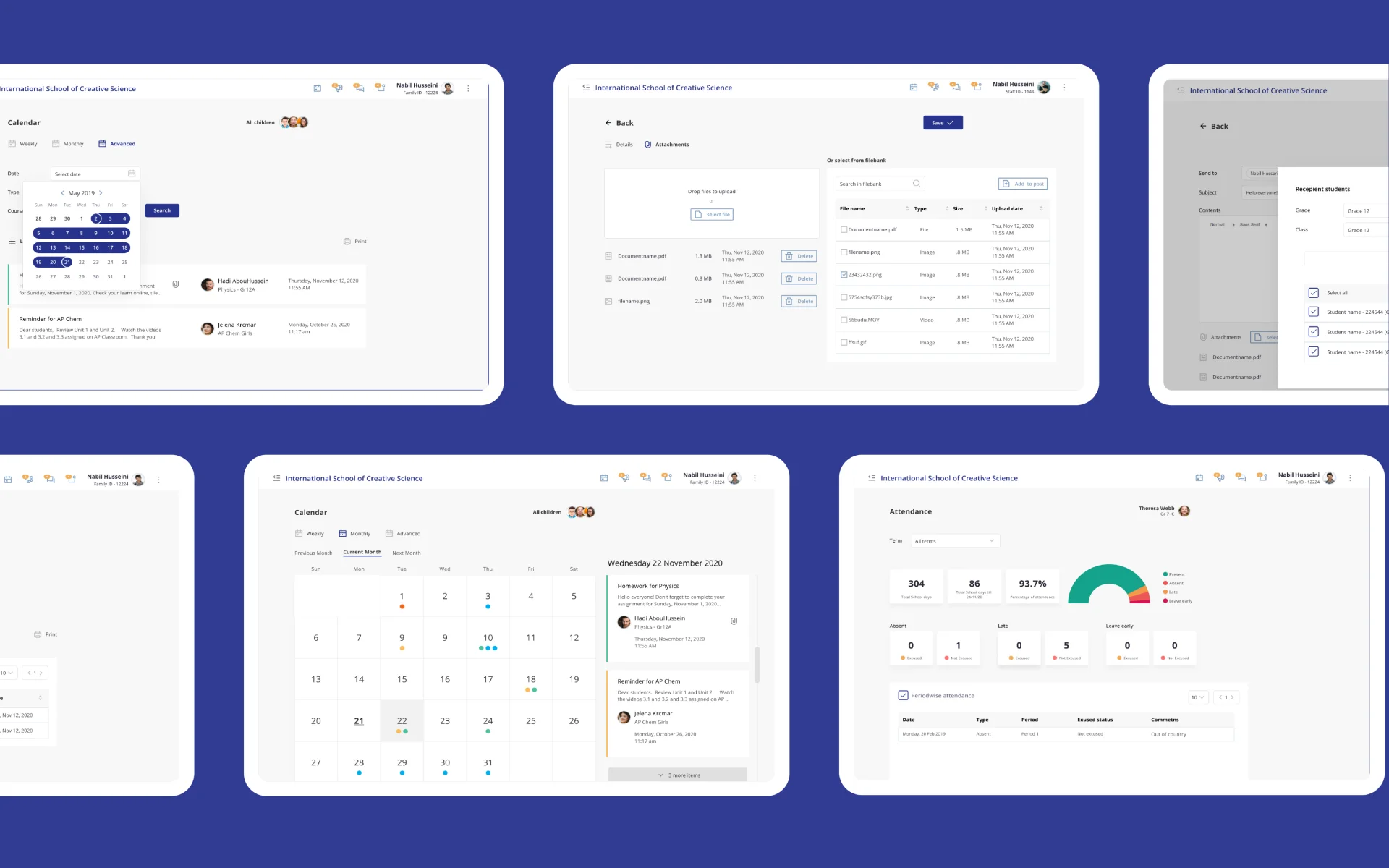
Simplicity, Speed, and Scalability
The redesigned system didn’t just look better — it worked better for everyone involved.

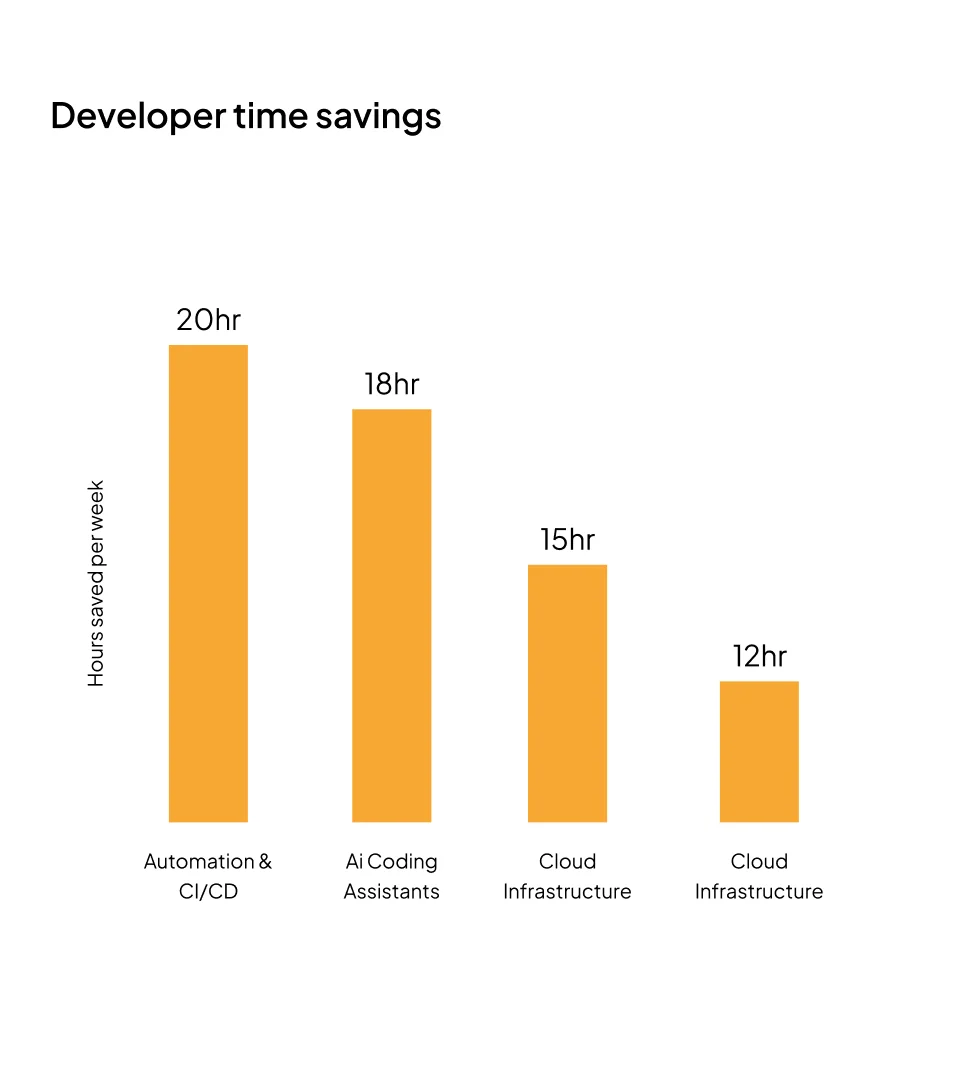
Accelerated Development
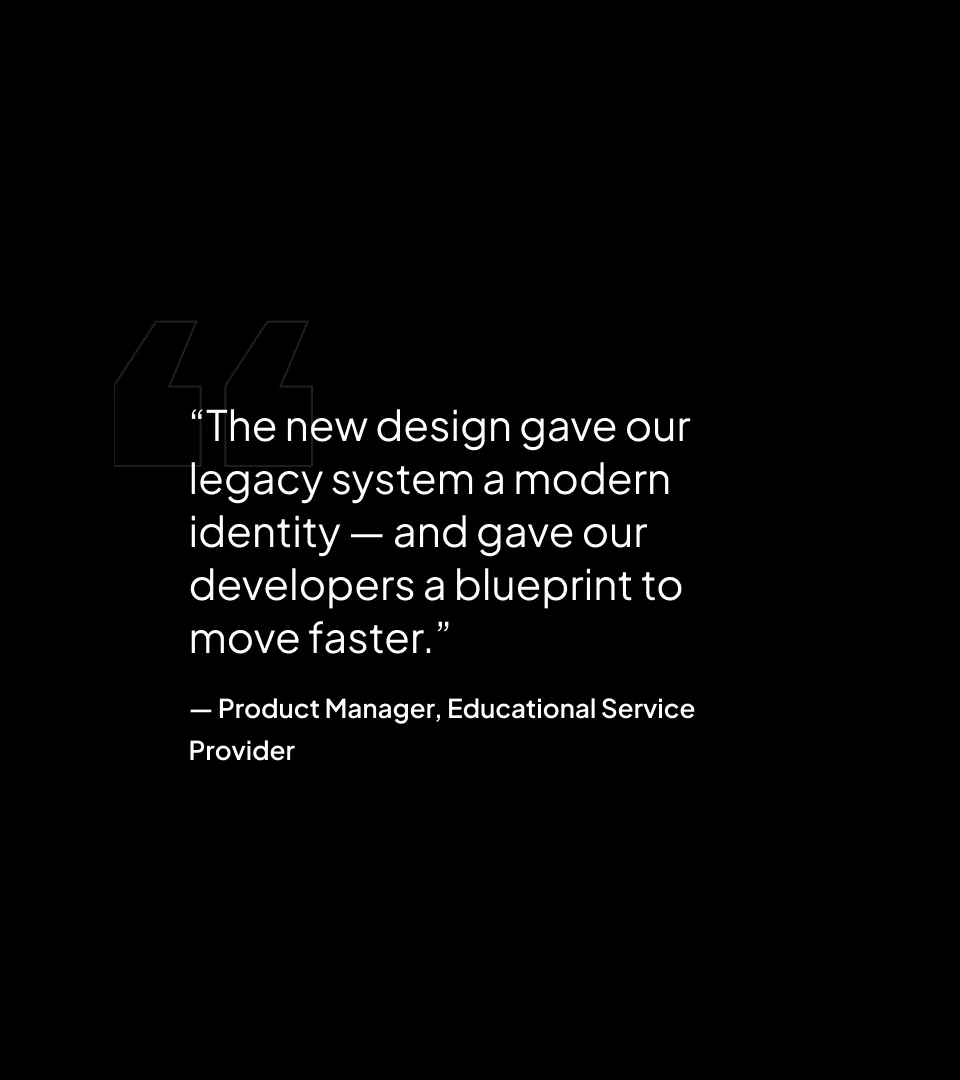
Developers gained speed and clarity, reusing design components for new modules

Modern & Intuitive UX
Users experienced a modern, intuitive interface across all screens

Increased User Adoption
Consistency improved adoption and usability among schools and staff

Scalable Design System
Design scalability ensured future modules could be added effortlessly

Faster Team Onboarding
Reduced onboarding time for new developers joining the project
Designing Beyond the Present
This project wasn’t just about redesigning a 20-year-old system — it was about future-proofing it.
By combining modular design principles with a clear, reusable UI framework, we turned a legacy product into a living, scalable design ecosystem that will continue to evolve with the client’s growth.
It’s a reminder that great design isn’t only about visuals — it’s about building systems that support people, processes, and progress.