
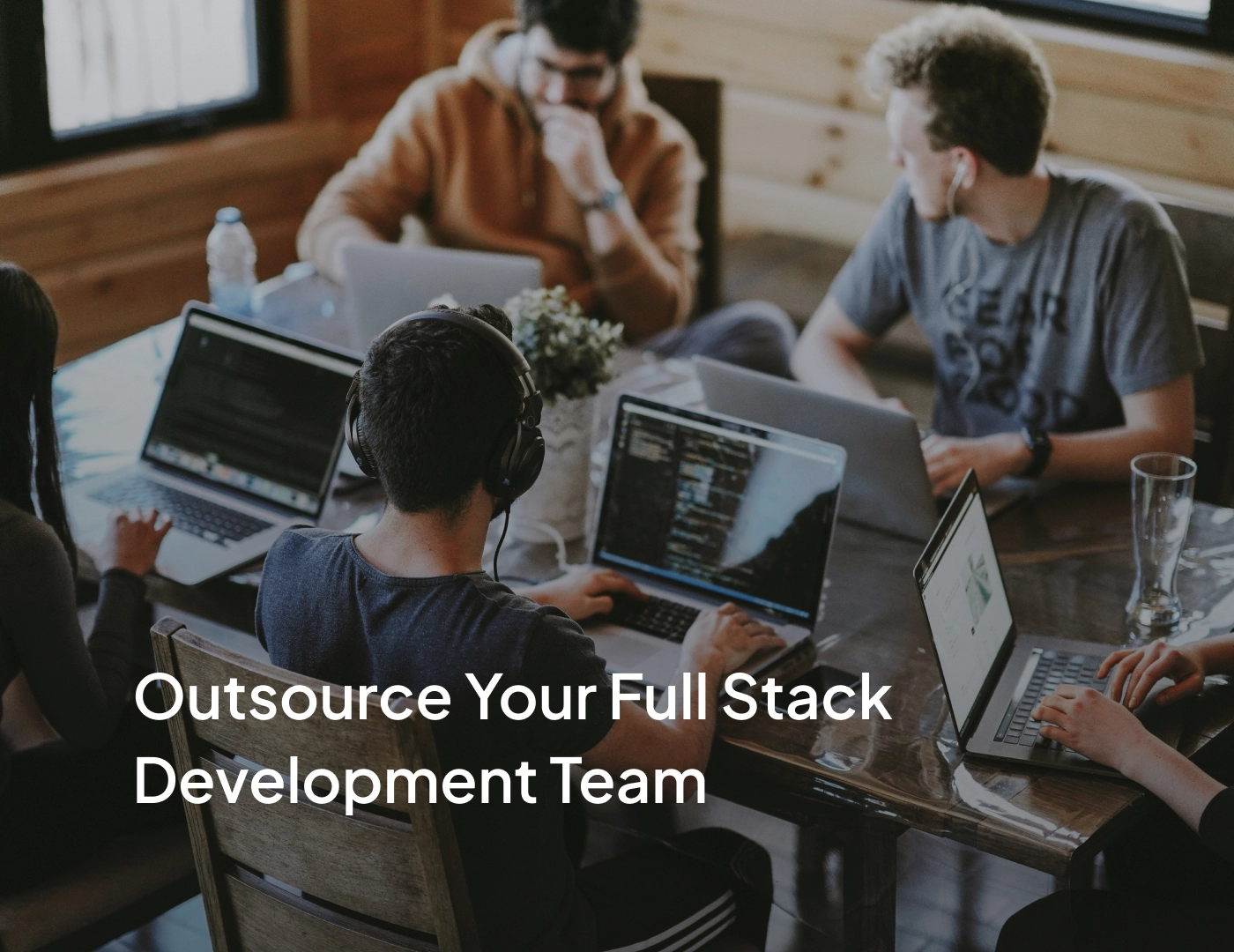
As digital products become more complex, building the right development team has become one of the most important decisions for any business. Many founders start by trying to hire in house, only to realize how time consuming and expensive it can be.
This is where the decision to outsource full stack development team comes in. It is no longer just about saving costs. It is about building faster, accessing the right expertise, and staying flexible as your product evolves.
In 2026, outsourcing has become a strategic move for startups as well as growing companies that want to scale without unnecessary friction.
What it means to outsource full stack development team
When you outsource a full stack development team, you are essentially working with a group of professionals who handle both frontend and backend development.
This includes everything from user interface design and application logic to database management and integrations. Instead of managing multiple specialists separately, you work with a cohesive team that understands how all parts of the product connect.
This approach simplifies development and reduces coordination challenges.
Why businesses outsource full stack development team
Faster product development
One of the biggest advantages when you outsource a full stack development team is speed.
An experienced team already has processes in place. They know how to structure projects, manage timelines, and avoid common bottlenecks. This allows you to move from idea to launch much faster.
Access to a complete skill set
Building a full stack team in house requires hiring frontend developers, backend developers, designers, and sometimes DevOps specialists.
When you outsource a full stack development team, you get access to all these skills in one place. This not only saves time but also ensures better coordination between different parts of the system.
Cost efficiency with better allocation
While cost should not be the only factor, it does matter. Outsourcing allows you to manage your budget more effectively.
Instead of investing heavily in full time salaries and infrastructure, you can allocate resources based on your current needs. This makes it easier to control expenses while still maintaining quality.
Flexibility and scalability
Your product needs will change over time. When you outsource a full stack development team, you have the flexibility to scale up or down based on your requirements.
This is particularly useful for startups that are still experimenting and refining their product.
When it makes sense to outsource full stack development team
Not every situation requires outsourcing, but there are clear scenarios where it works well.
If you are building a product from scratch and do not have a technical team, outsourcing helps you get started quickly.
If you already have a team but need to accelerate development, outsourcing can fill the gaps.
If your project requires specialized expertise that is difficult to hire locally, outsourcing becomes a practical solution.
What to look for before you outsource full stack development team
Strong technical foundation
Make sure the team has experience with modern technologies and frameworks. They should be comfortable working across the entire stack, from frontend interfaces to backend architecture.
Product thinking
A good team does not just execute tasks. They understand the product, question assumptions, and suggest improvements.
When you outsource a full stack development team, you want people who can contribute to decision making, not just coding.
Clear communication
Communication is often the biggest concern in outsourcing. Choose a team that maintains transparency, provides regular updates, and documents their work clearly.
Proven experience
Look for real projects, case studies, or examples of products they have built. This gives you confidence in their ability to deliver.
The role of AI and modern tools
In 2026, AI is influencing how development teams work.
Teams that you outsource full stack development to are increasingly using AI assisted tools for coding, testing, and debugging. This improves efficiency and reduces repetitive work.
However, the real value lies in how these tools are used. Experienced teams use AI to enhance productivity while still maintaining control over quality and architecture.
Common challenges and how to avoid them
Misaligned expectations
One of the biggest challenges when you outsource a full stack development team is unclear expectations.
Spend time defining your goals, features, and priorities before starting the project.
Overemphasis on cost
Choosing the cheapest option often leads to compromises in quality. Focus on value and long term reliability instead.
Lack of involvement
Outsourcing does not mean stepping away completely. Stay involved in the process, review progress regularly, and provide feedback.
A more practical approach
If you are new to outsourcing, start with a smaller scope.
Instead of handing over the entire project, begin with a specific module or feature. This allows you to evaluate the team’s capabilities and working style.
Once you are comfortable, you can expand the engagement and fully outsource full stack development team responsibilities.
Final thoughts
The decision to outsource a full stack development team is not just about reducing effort. It is about building your product in a smarter way.
When done right, it gives you access to the right skills, improves speed, and allows you to focus on your core business.
The key is to choose a team that understands your vision and works with you as a partner rather than just a service provider.
In today’s fast moving digital landscape, that kind of collaboration often makes the difference between a product that simply launches and one that actually succeeds.
At Haatch Interactive, this is exactly how we approach every project.